The session starts at ten. Snacks are already on every desk. Half the participants arrive after the first exercise, while the organiser wonders whether the unopened spares should go into the room too.
For a training day, quantity is only part of the brief. Decide how the snacks will move from stock to participants. A desk allocation and a staffed break table create different work even when the same product is being considered.
Choose the moment you want to support
Is the snack intended for arrival, a scheduled break or the journey home? Pick one purpose first. Putting it on the desk early may make distribution simpler, but a break-table routine may fit a session where attendance is still changing.
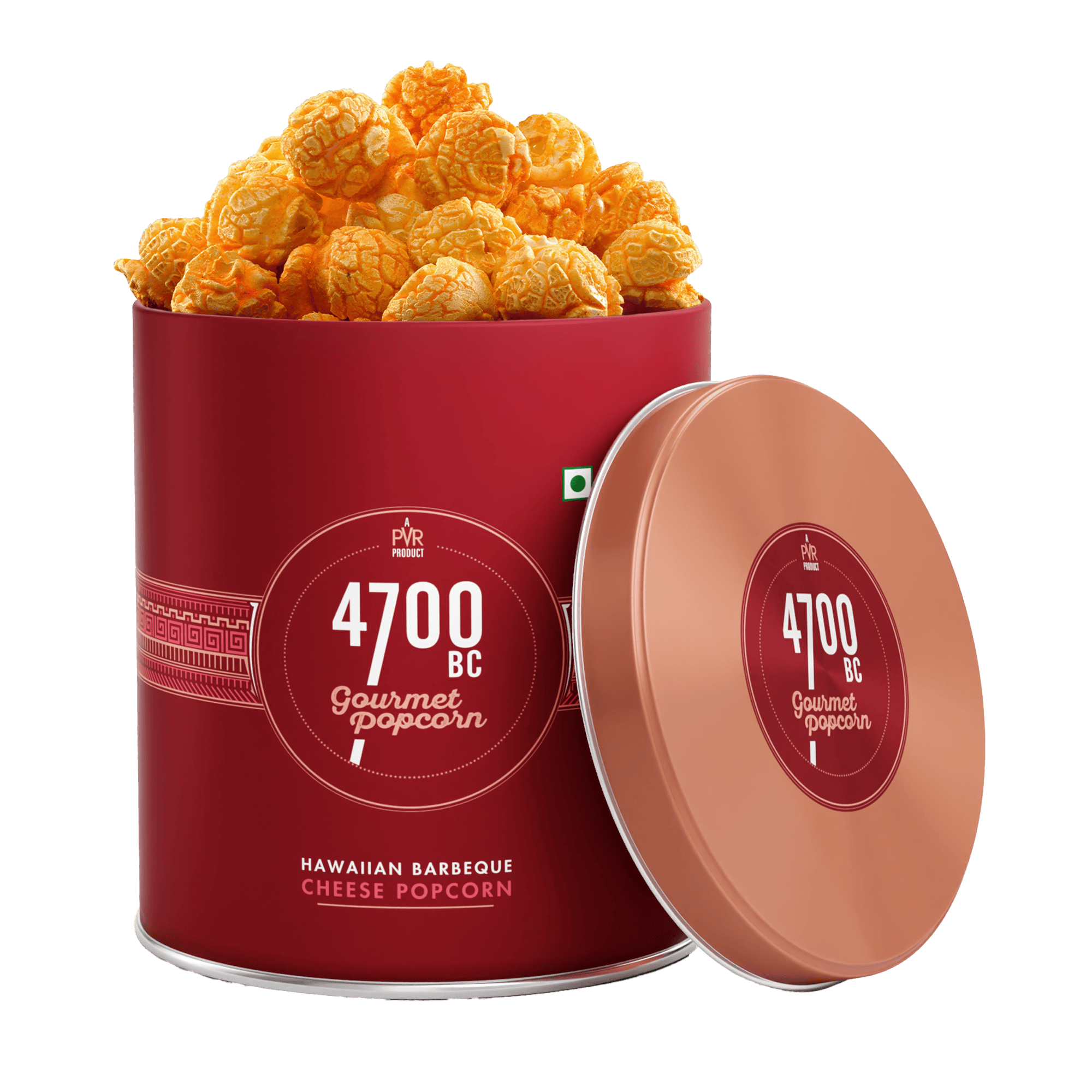
Use the exact 4700BC format approved for the event. A tin intended for shared service is not automatically an individual allocation. Ask for the current offered product and pack label; the photograph is a specific reference, not a serving specification.
Compare distribution work
| Arrangement | Planning advantage | Work still to assign |
|---|---|---|
| Sealed packs at desks | Allocation can be completed before the room fills | Late arrivals and unused sealed packs |
| Packs handed out at the break | Distribution follows actual attendance | Queue and stock owner |
| Shared service | Can fit an organised hosted break | Portions, utensils, label access and clearing |
These are workflow options, not claims that any one method is cheaper or more hygienic in every setting. Follow the venue’s procedures and the product instructions.
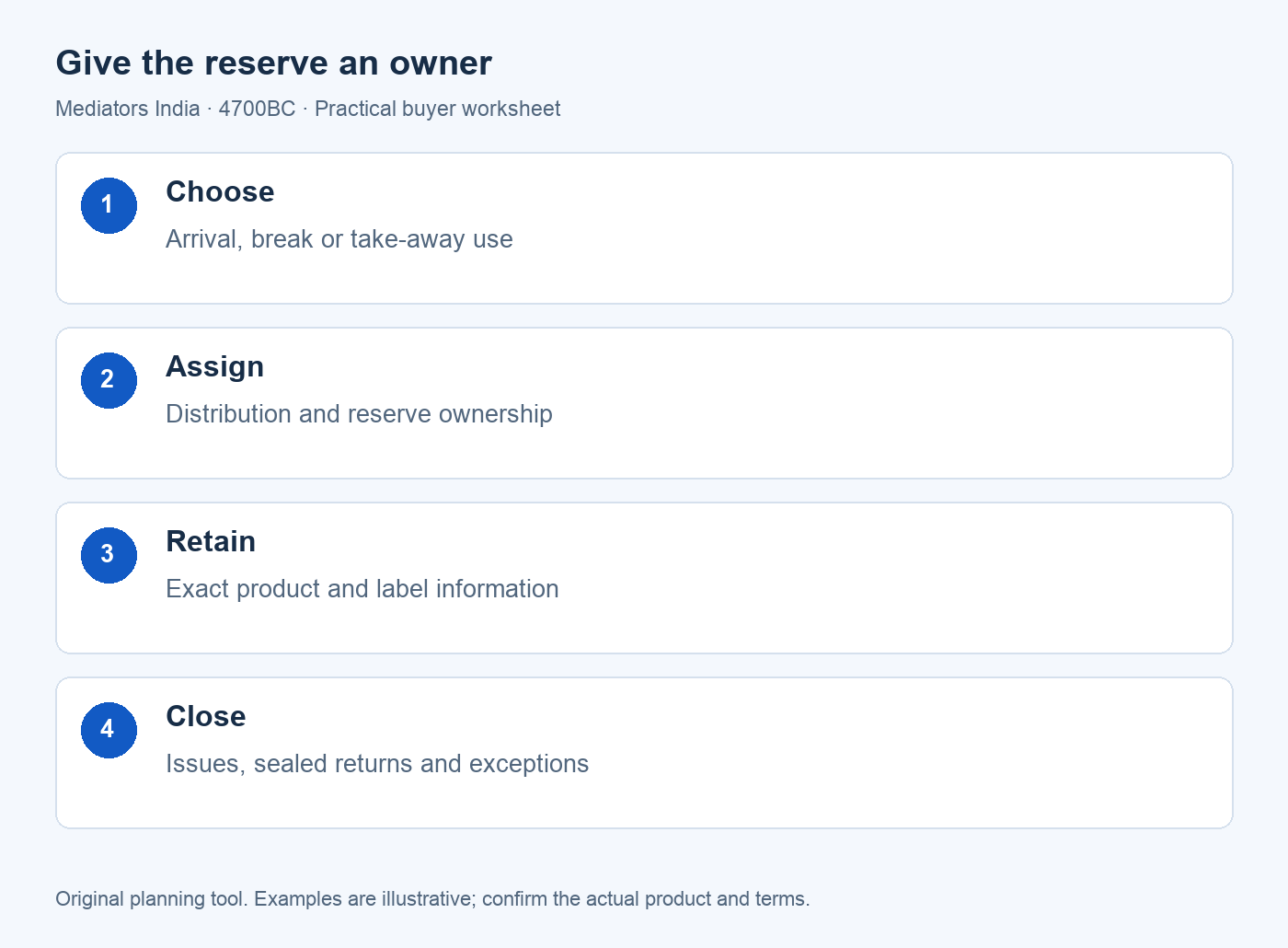
Keep a small reserve accountable
For an illustrative session, 30 participants may be expected while only 26 have arrived at the start. Record allocations actually issued and keep the rest with a named organiser. The numbers are a planning example, not a recommended buffer percentage.
If someone requests an extra pack, record the additional issue where that matters to the event budget. Do not count the same reserve as both available stock for this session and guaranteed stock for tomorrow.
Preserve product information during service
With desk packs, keep each approved product identifiable. For shared service, retain the original label and avoid mixing products under one flavour description. Tell the host where ingredient information can be found rather than asking them to answer from memory.
Use the cheese-popcorn product reference only to identify that product. Confirm the actual label and do not infer that a tin’s weight establishes a universal number of portions.
Debrief with three counts
At close, record packs issued, sealed stock returned and quantities handled under the venue’s opened-product process. Add any service supplies and staff work to your internal comparison. No serving yield, product price or cost saving is assumed here.
Our event quantity guide covers the order calculation. Send the chosen distribution routine with your enquiry so the quotation is for a usable event plan, not just a pile of tins.
Frequently asked questions
Should we put snacks on desks before a session?
Choose around attendance, timing and who will manage unused packs. A break-table routine may suit a different event.
How many portions does a tin provide?
Set and test your service plan using the exact product. This article makes no universal portions-per-tin claim.
What is the right reserve percentage?
Use attendance uncertainty and your own event process. The illustrative numbers are not a buffer recommendation.
Should unused sealed packs be recorded?
Yes. Reconcile issued quantities and sealed returns so the next order uses an accurate balance.
What about ingredient information for shared service?
Keep the original label available and each served product identifiable under the venue process.